A wedding dress preservation box looks like a simple container, and first-time clients in Fort Mill often ask what it actually does. The honest answer: the box is the last step, not the service. Preservation is mostly cleaning, done promptly and correctly, followed by storage materials and conditions that slow the yellowing and fiber damage that time and a closet would otherwise deliver.
If you have never preserved a gown, the walkthrough below follows the process in order, from the first inspection to where the box should live in your house, so you know what you are asking for and what results are realistic years later.
- Inspect the gown under good light. Stains hide on white fabric, especially sugar and champagne spots that look clear when dry. The inspection maps every mark before cleaning begins.
- Treat stains individually. Different stains need different chemistry: oils, sugar, wine, grass, and hemline soil each get their own treatment before any overall cleaning.
- Clean the whole gown. The method follows the fabric, beading, and construction. Delicate trim, glued details, and fragile vintage lace can change the process entirely.
- Check again after cleaning. Some stains only declare themselves after the first pass, and a second targeted treatment happens now, before storage makes it permanent.
- Fold with acid-free tissue. Tissue cushions the folds so sharp creases do not stress fibers over years, and supports sleeves and the bodice so weight distributes evenly.
- Box it in acid-free materials. The box and tissue are made to avoid the acids in ordinary cardboard and paper, which yellow fabric over long storage.
- Store it in the house, not the extremes. A cool, dry interior space beats an attic baking through Fort Mill summers or a damp garage or basement.
Why cleaning comes before the box, always
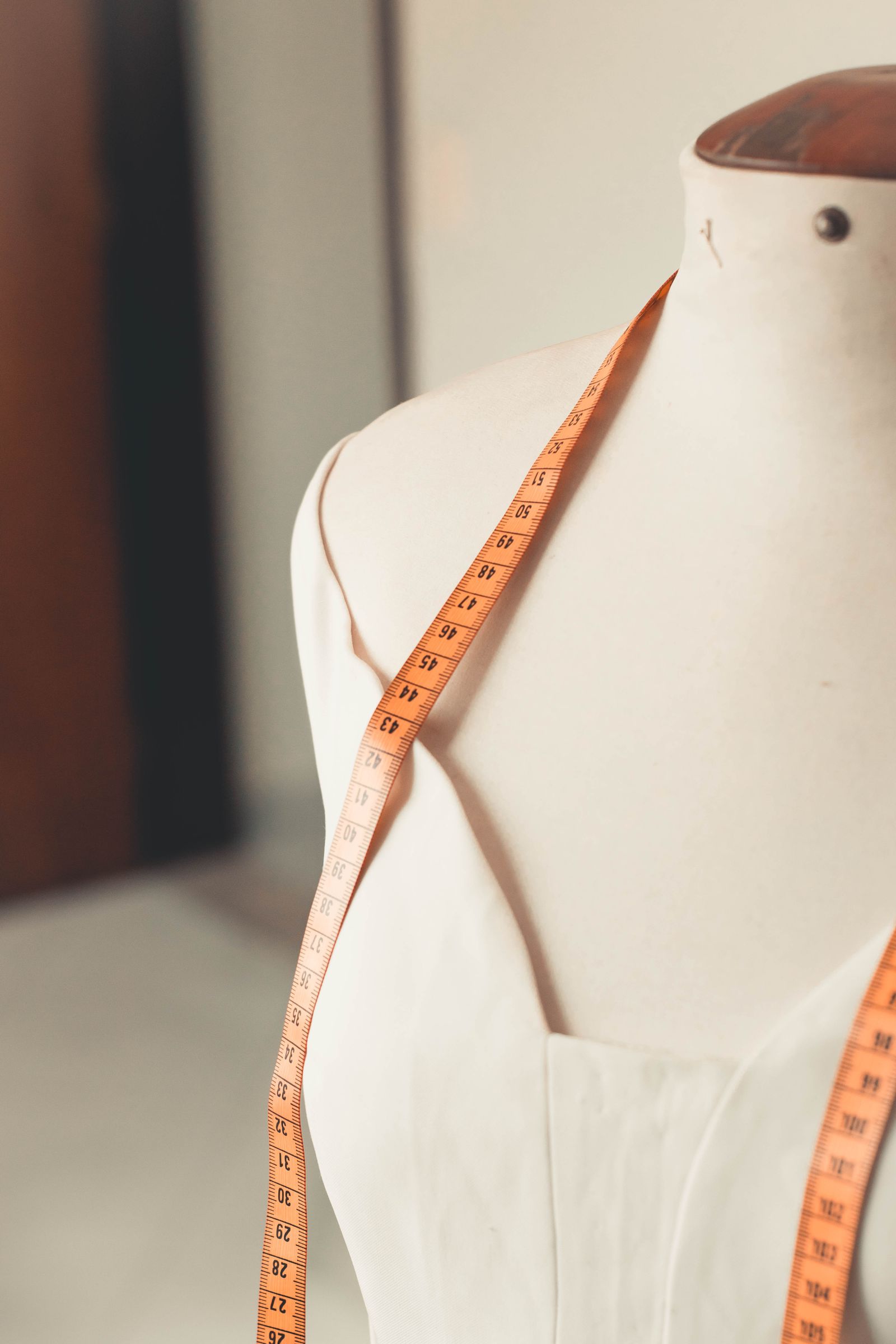
Invisible stains are the argument. Sugar from cake or drinks dries clear, then oxidizes over months into yellow and eventually brown marks that become far harder to remove. Body oils at the bodice do similar slow work. Boxing an uncleaned gown seals those stains in for years of quiet damage, which is why a preservation service that skips thorough cleaning is storage theater. The sooner a gown is cleaned after the wedding, the better the odds on every spot.
What preservation can and cannot promise
Done well, preservation slows aging substantially: clean fabric, neutral materials, soft folds, and stable storage give a gown its best chance of looking close to its wedding day condition years later. It cannot freeze time entirely. Some fabrics yellow faintly with age regardless, synthetic and natural fibers age differently, and a box opened often for showings lets in light, humidity, and handling oils. Many preservationists suggest wearing cotton gloves for viewings and refolding the gown along different lines every few years so creases do not set in one place.
Repairs and decisions before boxing
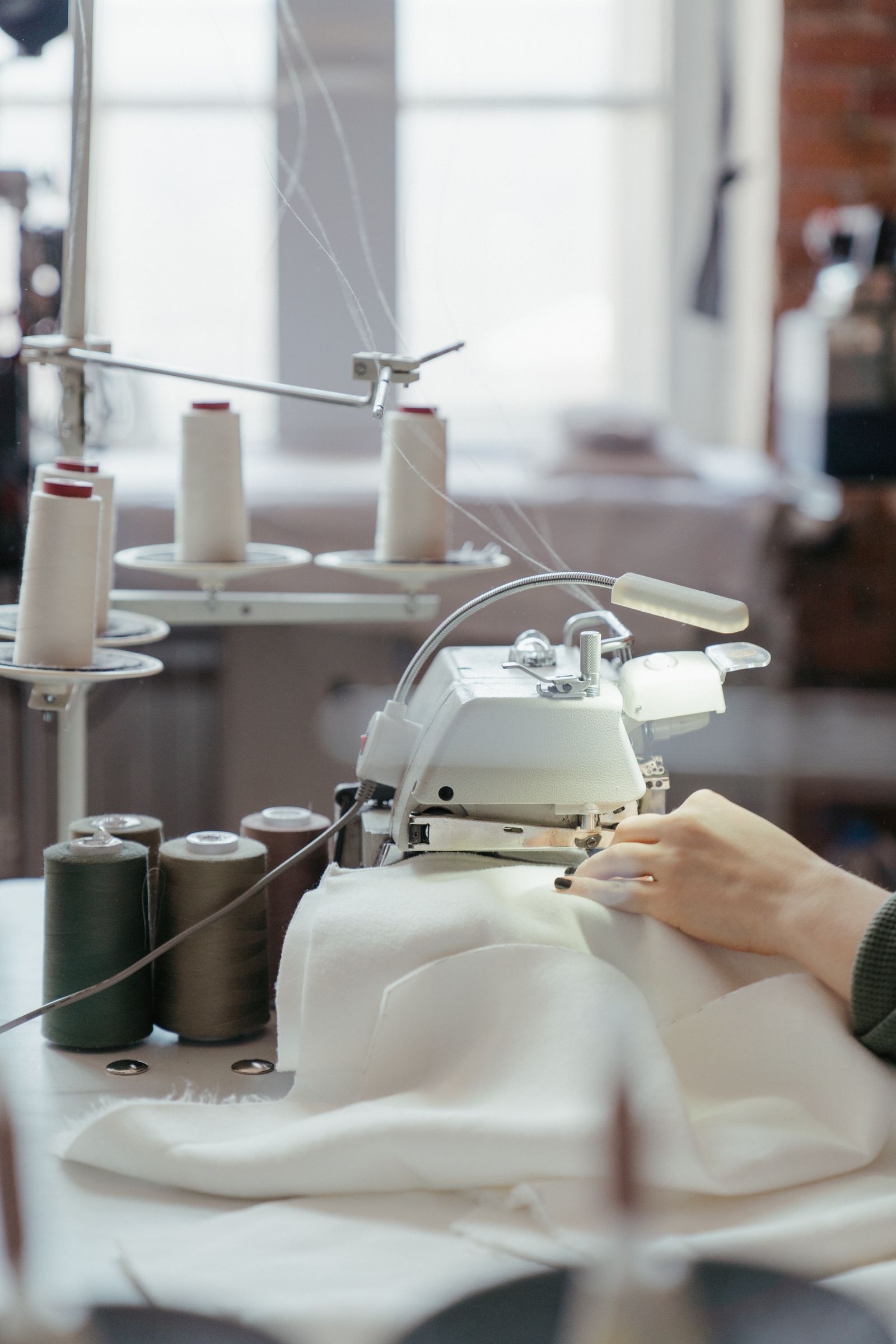
Loose beads, a torn strap, a broken bustle loop: fix them before storage, while the faults are known and the gown is already being handled. Decide also what else belongs in the box. Veils preserve well alongside a gown; shoes, dried flowers, and anything with batteries or adhesives do not, and can stain or damage fabric in an enclosed space. If the gown may be worn again by family, mention that goal, because it affects how the gown is folded and what the cleaner flags for the next wearer.
Handled in this order at a shop like T&T Alterations and Cleaners, preservation is less a product than a sequence: clean thoroughly, pack neutrally, store steadily. The box on the shelf is just the visible part.
One decision to make at drop-off
Decide whether the gown will stay boxed long term or be opened for family occasions, and say so. A gown that will be shown benefits from folding planned for easy, supported lifting, while a gown stored untouched for decades leans harder on tissue support at every stress point. Neither choice is better, but the packing follows the plan, and a preservationist who knows the intention can also note the gown's current condition in writing, measurements, existing flaws, and all, so a future opening has a record to compare against rather than guesswork.
Common questions
How soon after the wedding should a dress be preserved?
As soon as practical. Weeks are better than months, because sugar and oil stains oxidize with time and become progressively harder to remove fully.
Can I store a preserved dress in the attic?
It is one of the worst spots. Attic heat through a Carolina summer and wide temperature swings age fabric fast. A climate-controlled interior closet is the better home for the box.
Should the box be sealed airtight?
Not necessarily. Fabric benefits from a stable, dry environment rather than a hermetic seal, which can trap moisture. Follow the preservationist's guidance for the specific box and materials used.
Photos in this guide are representative stock images.
← All guides from T&T Alterations and Cleaners← Back to T&T Alterations and Cleaners